
How the Lymphatic System Really Works (And Why Yours Slows Down)
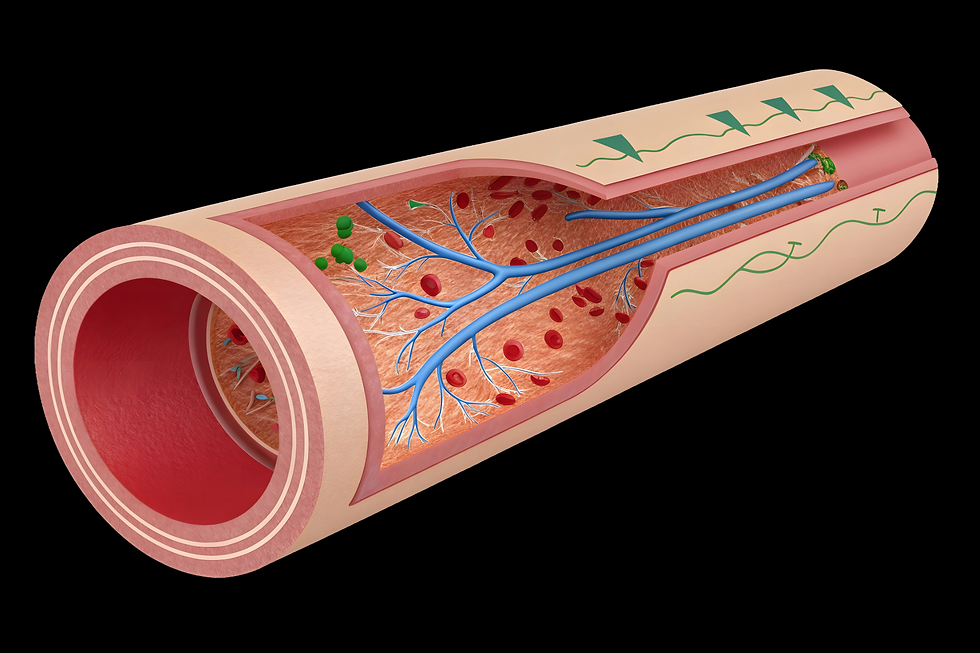
Most people have heard the term lymphatic drainage.
Few actually understand how the lymphatic system works—or why so many modern bodies are quietly struggling with it.
The lymphatic system isn’t a trend.
It’s one of the body’s primary waste-removal, immune, and inflammation-regulation systems. And unlike the heart, it doesn’t have a pump.
Which means if it slows down, everything backs up.
Let’s break down what the lymphatic system really does, how it’s supposed to work, and why modern life—especially in dense urban environments—causes it to stall.
What the Lymphatic System Actually Does
Think of the lymphatic system as the body’s clean-up and transport network.
Its main jobs:
Collect excess fluid from tissues
Remove metabolic waste, cellular debris, and inflammatory byproducts
Transport immune cells
Regulate swelling and inflammation
Return filtered fluid back to the bloodstream
Every day, fluid leaks out of blood vessels into surrounding tissue.
That’s normal.
What keeps that fluid from pooling, swelling, or triggering inflammation is lymphatic flow.
When flow is efficient:
Tissues feel light and mobile
Inflammation resolves instead of lingering
Recovery happens on schedule
When flow slows:
Fluid stagnates
Waste accumulates
Inflammatory signals recycle instead of clearing
The result isn’t always obvious swelling.
Often, it shows up as chronic tightness, puffiness, stiffness, brain fog, or slow recovery.

Why the Lymphatic System Has No Pump
Unlike the cardiovascular system, the lymphatic system does not have a central pump like the heart.
It relies on:
Muscle contractions
Joint movement
Breathing mechanics
Fascial elasticity
External pressure changes
In other words:
Movement and mechanical stimulation drive lymph flow.
This is where the problem starts.
Why Modern Bodies Struggle With Lymphatic Flow
The lymphatic system evolved for bodies that:
Walked frequently
Squatted, twisted, and climbed
Breathed deeply
Recovered naturally between stressors
Modern life looks very different.
1. Prolonged Sitting & Sedentary Work
Sitting for hours:
Reduces muscle pumping
Compresses lymphatic vessels
Slows fluid return from the legs and pelvis
Even people who “work out” daily can experience lymphatic congestion if the rest of the day is spent sitting.
This is why many people feel tight, heavy, or puffy despite being fit.
2. Chronic Stress & Nervous System Overdrive
Stress doesn’t just affect the mind—it changes physiology.
Chronic sympathetic (fight-or-flight) activation:
Increases inflammatory signaling
Tightens fascia and connective tissue
Reduces digestive and lymphatic efficiency
The body prioritizes survival over cleanup.
Inflammation rises faster than the lymphatic system can clear it.
3. Fascia That Becomes Dense Instead of Elastic
Lymphatic vessels run through fascia, not around it.
When fascia becomes:
Dehydrated
Dense
Stiff from overuse or underuse
Lymphatic flow becomes mechanically restricted.
This is why “stretching more” doesn’t always fix tightness—and why pressure-based therapies can be more effective than passive rest alone.
4. Inflammation That Never Fully Resolves
Acute inflammation is normal.
Chronic inflammation is not.
When lymphatic clearance is insufficient:
Inflammatory byproducts linger
Swelling becomes low-grade and persistent
Tissue sensitivity increases
The body stays stuck in a half-inflamed, half-recovered state.
Not injured.
Not fully well.
5. Environmental & Urban Load
City living adds extra strain:
Pollution exposure
Temperature extremes
High cognitive stress
Less incidental movement
The lymphatic system has to work harder—yet is given fewer opportunities to move.
Chicago bodies feel this more than most.
What Sluggish Lymphatic Flow Actually Feels Like
A slowed lymphatic system doesn’t always look dramatic.
Common signs include:
Persistent puffiness (face, abdomen, legs)
Heavy or tight legs, especially later in the day
Stiff fascia or muscles without injury
Swelling that fluctuates day to day
Brain fog or mental fatigue
Slow recovery between workouts
Skin congestion or dull tone
Lingering soreness or pressure sensitivity
Many people normalize these symptoms.
They shouldn’t.

Why Random Recovery Doesn’t Fix the Problem
Ice, heat, massage, stretching, supplements—none are inherently bad.
The issue is random application.
The lymphatic system responds to:
Consistent mechanical stimulation
Repeated pressure patterns
Regulation of the nervous system
Improved tissue elasticity
One-off sessions feel good.
They rarely create lasting change.
Systems require systems.
How to Support Lymphatic Flow Effectively
Improving lymphatic function isn’t about doing more—it’s about doing the right things consistently.
Key principles:
Regular movement throughout the day
Nervous system down-regulation
Mechanical stimulation of tissue
Pressure-based therapies that work with fascia
Recovery protocols that match stress load
When lymphatic flow improves:
Inflammation resolves instead of recycling
Tissue softens instead of guarding
Recovery becomes predictable
This is where structured, clinically-backed therapies—not trends—matter.
The Bottom Line
Your body isn’t broken.
It’s responding to load.
The lymphatic system works quietly, constantly, and mechanically.
When modern life overwhelms it, symptoms appear long before disease does.
Understanding how it works is the first step.
Supporting it consistently is where real change happens.
At GOAT Wellness, we don’t chase symptoms.
We restore flow.
Because recovery isn’t random—and neither is your body.
Lymphatic System FAQs: How It Works, Why It Slows, and What Helps
How does the lymphatic system work?
The lymphatic system collects excess fluid, metabolic waste, and inflammatory byproducts from tissues and transports them through lymph vessels and nodes before returning the filtered fluid to the bloodstream. Unlike the cardiovascular system, it has no pump and relies on movement, muscle contraction, breathing, and tissue elasticity to function efficiently.
Why doesn’t the lymphatic system have a pump like the heart?
The lymphatic system evolved to work alongside regular movement. Muscle contractions, joint motion, and pressure changes naturally move lymph fluid. When movement decreases or tissues become stiff, lymph flow slows, allowing fluid and waste to accumulate.
What causes the lymphatic system to slow down?
Common causes include prolonged sitting, chronic stress, nervous system overactivation, reduced movement, dense or dehydrated fascia, unresolved inflammation, and environmental stressors. These factors reduce the mechanical stimulation lymphatic vessels depend on to move fluid.
What are signs of a sluggish lymphatic system?
Signs may include persistent puffiness, heavy or tight legs, fluctuating swelling, stiff fascia or muscles without injury, brain fog, dull or congested skin, lingering soreness, pressure sensitivity, and slow recovery between workouts.
Can you have lymphatic congestion even if you exercise regularly?
Yes. Many people train intensely but remain sedentary the rest of the day. Long periods of sitting combined with high stress can slow lymphatic flow, even in fit individuals, leading to inflammation and fluid retention.
How is lymphatic congestion different from inflammation?
Lymphatic congestion refers to impaired fluid and waste movement. Inflammation is the body’s immune response. When lymphatic flow slows, inflammatory byproducts are not cleared efficiently, allowing inflammation to linger instead of resolving.
Does stress affect lymphatic flow?
Yes. Chronic stress activates the sympathetic nervous system, increasing inflammation and tightening connective tissue. This reduces lymphatic efficiency and contributes to fluid stagnation and slower recovery.
What helps improve lymphatic flow?
Consistent movement, deep breathing, nervous system regulation, hydration, and mechanical pressure-based therapies that stimulate fascia and tissue can help support lymphatic circulation. Random or one-off recovery methods are typically less effective than structured, repeated support.
How long does it take to improve lymphatic function?
Some people notice short-term changes quickly, such as reduced heaviness or puffiness. Long-term improvement depends on consistency, stress load, tissue health, and how regularly lymphatic-supportive strategies are applied.
Is lymphatic drainage only about swelling?
No. Lymphatic function impacts inflammation regulation, immune signaling, tissue health, skin tone, and recovery. Many people experience symptoms like stiffness or brain fog without visible swelling.


