
THE SCIENCE OF WHOLE BODY CRYOTHERAPY
A clinical breakdown of what’s happening inside your body at -150ºF to -220ºF.
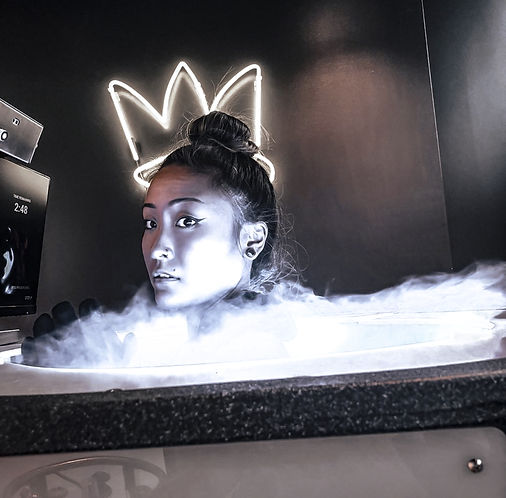
Whole Body Cryotherapy (WBC) exposes the body to extremely cold, dry air—typically between -140°F and -250°F—for 2–3 minutes. This brief, controlled cold stress triggers a predictable set of physiological responses designed to protect core temperature, optimize circulation, and activate recovery pathways.
Instead of cooling your muscles directly (like an ice bath), cryotherapy creates a systemic neurological and circulatory reaction that benefits the entire body.
The Physiology Behind Cryotherapy
1. Cold Shock Receptors Activate
Your skin contains thermoreceptors that immediately detect the extreme cold. These receptors send rapid signals to the brain, initiating a protective survival response.
What this does for you:
-
Heightened alertness
-
Increased endorphin release
-
Immediate dampening of pain signals
-
Shift into a “reset” state for the nervous system
This is why many people feel clear-headed, energized, or calm right after WBC.
2. Peripheral Blood Vessels Constrict
To preserve core heat, your body pulls blood inward toward vital organs.
Why this matters clinically:
This temporary vasoconstriction reduces inflammation by limiting excessive blood flow to irritated tissues. It also sends blood into the trunk, where it undergoes oxygenation and filtration before returning to the limbs.
3. Anti-Inflammatory Signaling Increases
Cold exposure stimulates the release of norepinephrine, a hormone and neurotransmitter linked to:
-
reduced inflammatory cytokines
-
decreased swelling
-
modulation of chronic pain pathways
For individuals dealing with soreness, joint irritation, autoimmune-related inflammation, or swelling, this hormonal shift is a significant part of why cryotherapy feels relieving.
4. Microcirculation Rebounds on Rewarming
Once the session ends, your blood vessels rapidly re-dilate. This rebound effect increases circulation, delivering oxygen-rich blood to muscles, joints, and connective tissue.
Clinical benefits:
-
improved tissue repair
-
faster metabolic waste clearance
-
improved post-exercise recovery
-
enhanced nutrient delivery
This is why athletes use cryotherapy during training cycles or competition weeks.
5. Metabolic Rate Temporarily Increases
Cold exposure increases thermogenesis—your body’s heat-producing process. To re-establish homeostasis, your metabolism briefly elevates to restore normal temperature.
What this supports:
-
increased calorie expenditure post-session
-
improved metabolic stability
-
enhanced mitochondrial function over time
While not a standalone weight-loss solution, thermogenesis contributes to energy expenditure and metabolic resilience.
6. Nervous System Regulation
Cryotherapy helps shift the autonomic nervous system from a heightened sympathetic “fight or flight” mode into a more balanced parasympathetic state.
Clients often describe:
-
feeling calmer
-
improved sleep quality
-
reduced mental fatigue
-
emotional “lightness”
Clinically, this happens because cold exposure triggers endorphins and reduces excessive nerve firing in pain pathways.

Why Whole Body Cryotherapy Works So Quickly
Because it uses atmospheric cold—not water—WBC cools the skin rapidly without penetrating deep enough to cause tissue damage.
This allows the body to respond with systemic physiological changes instead of the slow, localized cooling of an ice bath.
The result is:
-
faster sessions
-
stronger hormonal response
-
broader full-body benefits
-
predictable, controlled outcomes
Who Benefits The Most
Whole Body Cryotherapy is widely used for:
-
athletic recovery
-
chronic or acute inflammation
-
joint discomfort
-
muscle soreness
-
autoimmune flare support
-
mood and stress regulation
-
circulation improvement
-
overall wellness optimization
It’s safe for most individuals when performed in a professional environment with proper screening.
The Takeaway
Whole Body Cryotherapy is not just “standing in the cold.” It’s a controlled, clinical therapy leveraging predictable cold-induced biological responses to reduce inflammation, support recovery, and improve overall well-being.