
CryoFacial vs Traditional Facials: Treating Skin Inflammation, Lymph Congestion, and Redness
Facials are often marketed as relaxation or cosmetic indulgence. But when the skin is inflamed, congested, red, or reactive, the question isn’t pampering — it’s physiology.
At GOAT Wellness, we don’t look at the face as a surface-level aesthetic. We treat it as a vascular, lymphatic, and neurological system — one that reflects systemic inflammation, stress load, and impaired drainage.
This is where CryoFacial fundamentally separates itself from traditional facials.
The Root Problem: Facial Inflammation Isn’t Just Skin-Deep
Facial redness, puffiness, breakouts, and sensitivity are rarely isolated skin issues.
They’re commonly driven by:
Inflammation in superficial blood vessels
Sluggish lymphatic drainage in the face and neck
Histamine response and vascular dilation
Nervous system overactivation
Environmental stressors (pollution, heat, alcohol, poor sleep)
Traditional facials often focus on surface exfoliation and topical hydration, which can temporarily improve appearance — but do not correct the underlying inflammatory drivers.
CryoFacial targets those drivers directly.

What Is a CryoFacial?
A CryoFacial uses localized cryotherapy to deliver controlled, medical-grade cold air (up to –260°F) across the face and neck.
This extreme cold creates a rapid vasoconstriction → vasodilation response, triggering:
Reduced inflammatory signaling
Increased lymphatic movement
Improved circulation once rewarming occurs
Decreased redness and puffiness
Calming of irritated or reactive skin
It’s not exfoliation.
It’s physiological regulation.
Traditional Facials: What They Do Well (and Where They Fall Short)
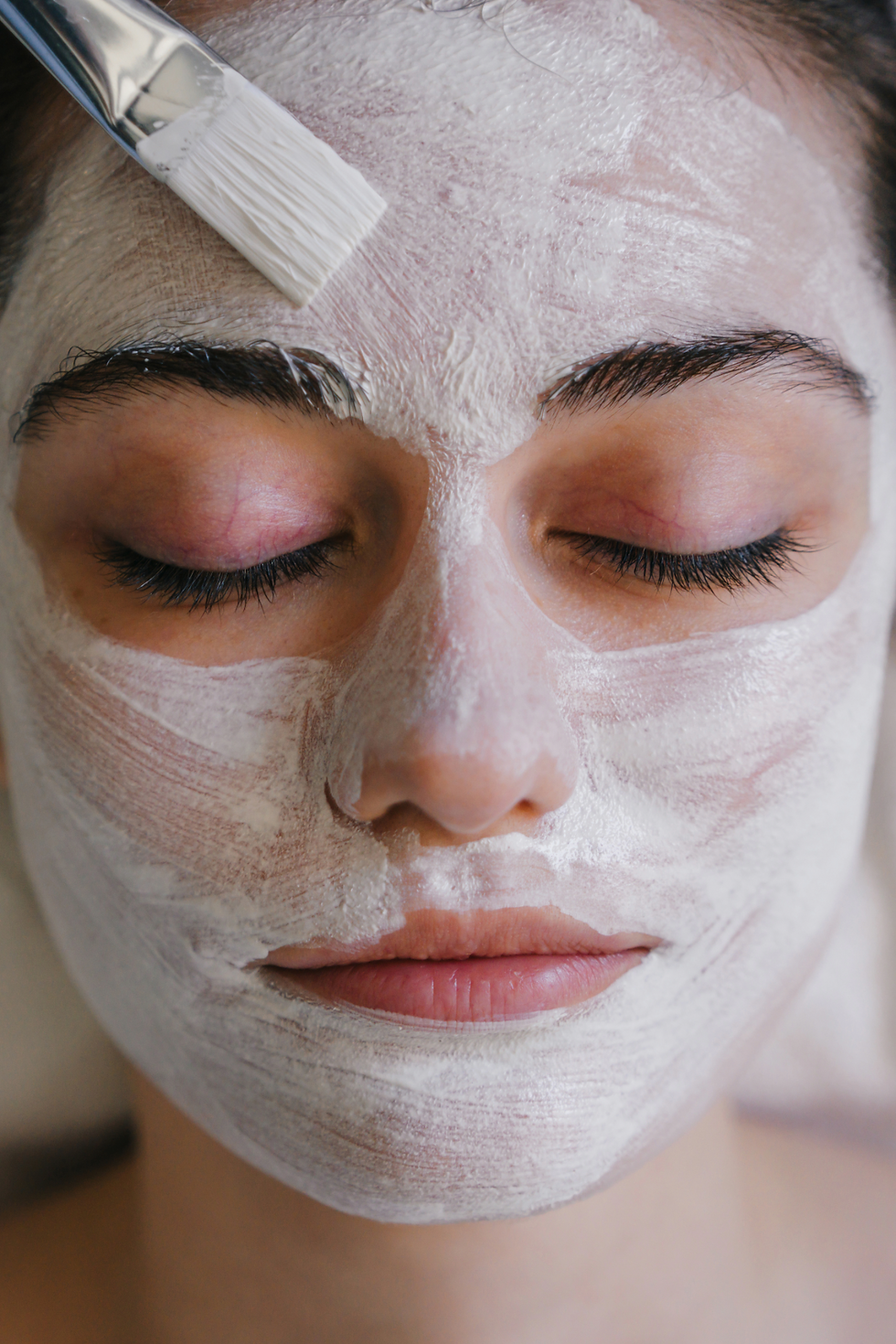
Traditional facials typically include:
Cleansing and exfoliation
Steaming
Manual facial massage
Masks, serums, and moisturizers
These can support skin barrier health and provide short-term glow. However, for inflamed or congested skin, they may also:
Increase redness due to heat and friction
Overstimulate sensitive or reactive skin
Fail to meaningfully move lymph
Mask inflammation rather than reduce it
In some cases, steam and aggressive manipulation can worsen vascular flushing and swelling, especially for individuals prone to rosacea, acne, or post-workout facial congestion.
CryoFacial vs Traditional Facials: Clinical Comparison
Category | CryoFacial | Traditional Facial |
Primary Target | Inflammation + lymph | Surface skin care |
Temperature Effect | Extreme cold (–260°F) | Heat / steam |
Redness Reduction | Immediate | Variable |
Lymphatic Support | Yes (vasomotor response) | Limited |
Puffiness | Actively reduced | Temporarily disguised |
Sensory Impact | Nervous system calming | Relaxing but stimulating |
Downtime | None | Possible redness |
Why Cold Works Better for Facial Inflammation
Cold exposure triggers a neurovascular reflex that heat simply cannot replicate.
When cold is applied:
Blood vessels constrict, reducing redness and swelling
Inflammatory cytokines decrease
Lymphatic vessels respond to pressure changes
This makes CryoFacial particularly effective for:
Post-workout facial redness
Alcohol-related facial puffiness
Travel-related swelling
Stress-induced skin flare-ups
Seasonal inflammation (especially winter congestion)
Lymphatic Drainage: The Missing Piece in Most Facials
The face contains a dense network of lymph vessels — yet most facials do not sufficiently activate them.
CryoFacial enhances lymph movement by:
Creating pressure gradients through temperature change
Reducing tissue inflammation that blocks flow
Supporting drainage toward the neck and clavicular nodes
The result isn’t just better skin — it’s less facial congestion, heaviness, and “puffy face” sensation.
CryoFacial at GOAT Wellness: A Clinical Approach to Skin Health
At GOAT Wellness, CryoFacial is positioned as:
Inflammation control, not beauty treatment
Physiology-first, not cosmetic camouflage
A recovery tool for the face
It pairs especially well with:
Whole Body Cryotherapy
Infrared Sauna
Endosphères Therapy (body lymphatic work)
Together, these protocols support systemic inflammation reduction, which shows up clearly in the skin.
Who Should Choose CryoFacial Over a Traditional Facial?
CryoFacial is ideal if you experience:
Chronic redness or flushing
Facial puffiness or swelling
Acne linked to inflammation
Sensitive or reactive skin
Stress-driven skin issues
Traditional facials may still have a place for routine maintenance — but when inflammation is the driver, cold wins.
Final Takeaway
Traditional facials treat the surface.
CryoFacial treats the system underneath.
If your skin looks inflamed, congested, or reactive, it’s not asking for more products — it’s asking for physiological regulation.
That’s what CryoFacial delivers.
CryoFacial vs Traditional Facials: Frequently Asked Questions
What is the main difference between a CryoFacial and a traditional facial?
The primary difference is what they treat.
A CryoFacial targets skin inflammation, vascular redness, and lymphatic congestion using controlled cold exposure, while traditional facials focus on surface-level skin care such as cleansing, exfoliation, and hydration.
Does a CryoFacial help with facial redness and flushing?
Yes. CryoFacial is highly effective for facial redness because extreme cold causes rapid vasoconstriction, which reduces dilated blood vessels and inflammatory signaling. Many people notice redness reduction immediately after treatment.
Can CryoFacial reduce facial puffiness and swelling?
Yes. Facial puffiness is often caused by sluggish lymphatic drainage and inflammation. CryoFacial supports lymphatic movement by creating a temperature-driven pressure response that helps reduce swelling and fluid retention in the face and neck.
Are traditional facials bad for inflamed or sensitive skin?
Not necessarily, but they may be less appropriate during active inflammation. Heat, steam, and aggressive manual techniques used in some traditional facials can temporarily worsen redness, flushing, or sensitivity in reactive skin types.
Is CryoFacial safe for sensitive or acne-prone skin?
Yes. CryoFacial does not use heat, steam, friction, or chemical exfoliation, making it well-tolerated for sensitive, reactive, or acne-prone skin when performed correctly.
How long do CryoFacial results last?
Results vary based on inflammation load and lifestyle factors. Redness and puffiness reduction are often noticeable immediately, while cumulative improvements in skin tone and congestion occur with consistent treatments.
Does CryoFacial help with rosacea or chronic redness?
CryoFacial may help reduce symptom severity related to inflammation and vascular overactivity, but it is not a medical treatment for rosacea. Individuals with chronic conditions should consult a healthcare provider before treatment.
Is CryoFacial painful?
No. Most people describe CryoFacial as cold but tolerable, with a refreshing or calming sensation. There is no downtime, needles, or abrasions.
How often should someone get a CryoFacial?
For inflammation-driven skin concerns, CryoFacials are commonly done 1–2 times per week initially, then spaced out as inflammation decreases and lymphatic flow improves.
Can CryoFacial replace traditional facials?
CryoFacial does not replace all traditional facials. It serves a different purpose — inflammation regulation rather than cosmetic maintenance. Many people use CryoFacial strategically and traditional facials occasionally.


