
Does the Lymphatic System Get Clogged? Separating Facts From Fiction
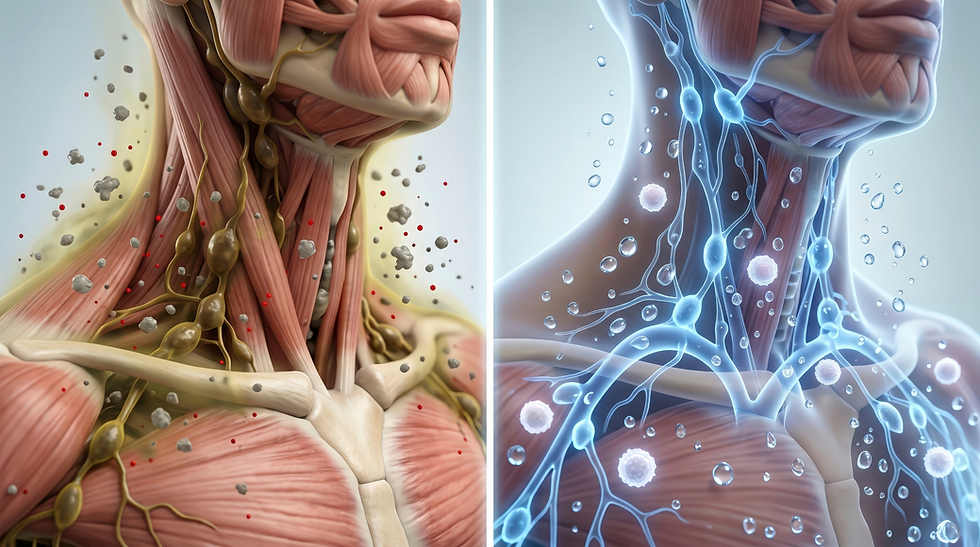
"My lymphatic system must be clogged."
It's a phrase that's become increasingly common on social media, in wellness marketing, and even in everyday conversations. People often use it to explain puffiness, swelling, fatigue, or feeling like their body isn't functioning at its best.
While the phrase is understandable, it's not how healthcare professionals typically describe how the lymphatic system works.
A better question is:
How well is my lymphatic system functioning?
Understanding that difference can help you make more informed decisions about your health and recovery.
Within the Fundamentals of Recovery, this is exactly why the first pillar is Drain. The goal isn't to "unclog" the body—it's to support the natural systems responsible for moving excess fluid, transporting cellular waste, and maintaining balance.
Why Do People Think the Lymphatic System Gets "Clogged"?
The idea of a "clogged" lymphatic system is everywhere.
You'll often see claims that a quick detox, cleanse, supplement, or treatment can "flush toxins" or "clear blocked lymph."
These messages simplify a very complex physiological system into something that sounds like a clogged household drain.
In reality, the lymphatic system doesn't function that way.
Rather than becoming plugged with waste, the lymphatic system is continuously collecting and transporting lymph as part of the body's normal physiology. Like every other system in the body, its function can be influenced by many different factors—but that doesn't mean it's simply clogged.
How the Lymphatic System Actually Works
The lymphatic system is a network of vessels, lymph nodes, and organs that helps maintain fluid balance, supports immune function, and transports lymph throughout the body.
Unlike the circulatory system, it doesn't have a heart to pump fluid.
Instead, lymph movement depends on normal body movement, muscle contractions, deep breathing, and healthy tissue mobility.
Think of it like traffic moving through a city.
When roads are open and traffic is flowing, everything moves efficiently.
If construction, accidents, or heavy congestion slow traffic, movement becomes less efficient—but the roads haven't suddenly become "clogged."
The lymphatic system works in a similar way. Its efficiency can be influenced by what's happening throughout the body.
What Can Influence Lymphatic Function?
Many factors can affect how efficiently the body moves lymph.
These include:
Prolonged sitting or inactivity
Injury
Surgery
Illness
Inflammation
Aging
Reduced muscle activity
Certain medical conditions
These factors don't necessarily mean something is wrong with the lymphatic system itself. They simply demonstrate that lymphatic function depends on the body's overall physiology.
Recovery isn't about finding one thing to blame. It's about understanding how multiple systems work together.
What About Lymphedema?
There is an important distinction between everyday puffiness and a medical condition called lymphedema.
Lymphedema occurs when the lymphatic system is unable to adequately transport lymph, leading to persistent swelling. It may develop after lymph node removal, certain cancer treatments, trauma, congenital conditions, or other medical causes.
This is a recognized medical condition that requires evaluation and management by qualified healthcare professionals.
Most temporary swelling, puffiness, or feelings of heaviness are not automatically signs of lymphedema.
If swelling is persistent, worsening, painful, or occurs without an obvious explanation, it's important to seek medical evaluation.
Why Do People Feel Puffy or Swollen?
Puffiness and swelling are common experiences, but they can have many different causes.
Depending on the situation, contributing factors may include:
Long periods of sitting or standing
Exercise
Injury
Inflammation
Hormonal changes
Diet
Medications
Heat
Certain medical conditions
Rather than assuming your lymphatic system is clogged, it's more helpful to recognize that these symptoms are signals.
They provide information about how your body is responding to internal and external stressors.
The question becomes:
What is influencing my body's normal recovery processes?
What Actually Supports Healthy Lymphatic Function?
Healthy lymphatic function isn't built through quick fixes.
It's supported through the same habits that support overall health.
These include:
Walking regularly
Daily movement
Strength training
Deep diaphragmatic breathing
Staying hydrated
Getting adequate sleep
Managing stress
Maintaining overall physical health
These habits don't "flush toxins."
Instead, they help support the body's normal physiological processes that keep lymph moving and contribute to healthy recovery.
Consistency matters far more than shortcuts.
Looking Beyond Buzzwords
Terms like "clogged lymph," "toxin buildup," or "lymph detox" are common in wellness marketing because they're easy to understand.
But the body is more sophisticated than those phrases suggest.
The lymphatic system is continuously active. It works alongside the circulatory system, immune system, liver, kidneys, lungs, digestive system, and other organs to help maintain the body's internal balance.
Understanding that complexity allows us to move beyond simplistic explanations and focus on supporting the body's natural function.
Drain: The First Fundamental of Recovery
Within the Fundamentals of Recovery, Drain doesn't ask whether your lymphatic system is clogged.
It asks a more useful question:
Can waste get out?
That question recognizes that recovery depends on efficient movement of excess fluid, cellular waste, and other byproducts of normal metabolism.
Drain isn't about chasing detoxes or searching for miracle solutions.
It's about creating the conditions that allow the body's own systems to function as effectively as possible.
When Drain is supported, the body is better prepared for the next Fundamental of Recovery:
Flow—the movement of oxygen, nutrients, hormones, and other resources that help tissues repair, adapt, and perform.
A Better Way to Think About Recovery
The idea of a "clogged" lymphatic system has become popular because it's simple.
Human physiology isn't.
Recovery isn't about fixing one clogged pipe or flushing away mysterious toxins. It's about understanding how multiple systems work together every day to keep the body functioning.
The lymphatic system is one of those systems.
Rather than asking whether it's clogged, ask whether you're consistently supporting the habits that help your body move, recover, and adapt over time.
That's the goal of the Fundamentals of Recovery—replacing myths with understanding and helping people make informed decisions that support long-term health.
Frequently Asked Questions About a "Clogged" Lymphatic System
Can your lymphatic system get clogged?
The term "clogged lymphatic system" is commonly used in wellness marketing, but it is not how healthcare professionals typically describe lymphatic function. The lymphatic system is continuously active, and its efficiency can be influenced by factors such as movement, injury, surgery, illness, and overall health rather than becoming "clogged" like a household drain.
What causes lymphatic flow to slow?
Lymphatic flow can be influenced by several factors, including prolonged inactivity, reduced muscle contractions, injury, surgery, inflammation, aging, and certain medical conditions. Because the lymphatic system relies on body movement rather than a central pump, regular movement helps support its normal function.
What are the signs of poor lymphatic function?
Some people may experience puffiness, temporary swelling, feelings of heaviness, or stiffness. However, these symptoms can have many different causes and do not necessarily indicate a problem with the lymphatic system. Persistent, worsening, or unexplained symptoms should be evaluated by a qualified healthcare professional.
Is a clogged lymphatic system the same as lymphedema?
No. Lymphedema is a recognized medical condition in which the lymphatic system cannot adequately transport lymph, resulting in persistent swelling. It is often associated with lymph node removal, cancer treatment, trauma, congenital conditions, or other medical causes. Everyday puffiness or temporary swelling is not the same as lymphedema.
Can detoxes or cleanses unclog the lymphatic system?
There is no evidence that detoxes or cleanses "unclog" the lymphatic system. The lymphatic system is continuously working as part of the body's normal physiology. Supporting healthy habits such as regular movement, hydration, sleep, and overall wellness is a more evidence-based approach to supporting normal lymphatic function.
How can I support healthy lymphatic function?
Healthy lymphatic function is supported by regular physical activity, walking, deep diaphragmatic breathing, staying hydrated, getting adequate sleep, managing stress, and maintaining overall health. These habits help support the body's natural movement of lymph.
Why do I feel puffy if my lymphatic system isn't clogged?
Puffiness can occur for many reasons, including prolonged sitting or standing, exercise, hormonal changes, inflammation, diet, medications, heat, injury, or certain medical conditions. Rather than assuming the lymphatic system is clogged, it's more helpful to consider the many factors that can influence fluid balance and recovery.
Why is Drain the first Fundamental of Recovery?
Drain is the first Fundamental of Recovery because the body depends on the efficient movement of excess fluid and cellular waste before it can effectively distribute oxygen, nutrients, hormones, and other resources. Rather than asking whether the lymphatic system is "clogged," the Drain principle asks a more useful question: Can waste get out?


